Показаны сообщения с ярлыком лекарство. Показать все сообщения

01.08.2014

Электростимуляция от мигрени!

Показан ещё один интересный способ борьбы с мигренями! Оказывается, особые виды электрической стимуляции могут снижать приступы мигрени. И этот метод получил разрешение от FDA, что реально непросто. надо будет попробовать.


источник и детали - Electrical Stimulator to Prevent Migraines Receives FDA Approval - IEEE Spectrum

15.01.2013

Как правильно тестировать лекарства?

О правилах качественных клинических испытаний:

10.12.2012

про мск

Всё. Мои провидческие мысли стали реализовываться. Вот говорила я, что пройдет ещё немного времени и "стволовые клетки" начнут получать из практически всех биологических жидкостей, субстанций и вообще отходов. Думали, что менструальная кровь - это финал. Ни-фи-га. Теперь МСК получают и из мочи. Сегодня появился пруф. Скоро можно будет тупо плюнуть в пластиковую посудину с подходящей питательной средой - и вуаля - культура фибробластоподобных няшных клеточек.
Фисё, баста.

09.09.2012

Кофе вместо обезболивающих?

Очередное подтверждение полезности кофе:
Now comes word that a cuppa joe reduces physical pain. The surprising finding is based on a study involving 48 volunteers who agreed to spend 90 minutes performing fake computer tasks meant to mimic office work. The tasks were known to cause pain in the shoulders, neck, forearms and wrists, and the researchers wanted to compare how people with chronic pain and those who were pain-free tolerated the tasks. As a matter of convenience, the scientists allowed people to drink coffee before taking the test "to avoid unpleasant effects of caffeine deprivation, e.g. decreased vigor and alertness, sleepiness, and fatigue," they reported. But when it came time to analyze the data, the researchers from Norway's National Institute of Occupational Health and Oslo University Hospital noticed that the 19 people who drank coffee reported a lower intensity of pain than the 29 people who didn't. In the shoulders and neck, for instance, the average pain intensity was rated 41 (on a 100-point scale) among the coffee drinkers and 55 for the coffee abstainers. Similar gaps were found for all pain sites measured, and coffee's apparent pain-mitigation effect held up regardless of whether the subjects had chronic pain or not. The authors of the study, which was published this week in the journal BMC Research Notes, cautioned that since the study wasn't designed to test coffee's influence on pain, the results come with many uncertainties. For starters, the researchers don't know how much coffee the coffee drinkers consumed before taking the computer tests. They also doubt that the coffee drinkers and abstainers were similar in all respects except for their java consumption. Problems like these tend to undermine the importance of the findings. But those reservations are unlikely to trouble the legions of coffee drinkers looking for any reason not to cut back on their daily caffeine habit. (c)2012 Los Angeles Times Distributed by MCT Information Services
Read more at: http://medicalxpress.com/news/2012-09-benefit-coffee-pain.html#jCp

16.08.2012

Очередные новости об избавлении от опиатной зависимости

Действительно интересно. оказывается, на подходе очередное средство борьбы с героиновой и морфиновой наркоманией. Более того, учёные утверждают, что с помощью новейших подходов можно не только избавиться от зависимости, но и не страдать от болезненных ощущений. Подробности:
Unlike the heroin-specific vaccine we covered last year, an international team of scientists from the University of Adelaide in Australia and the University of Colorado Boulder has now found a way to block addiction to various opioid drugs, including heroin and morphine. Importantly, the new approach doesn’t negatively affect the pain-relieving properties of these drugs.
The central nervous system and the immune system both play important roles in the development of an addiction, with opioid drugs such as heroin and morphine binding to an immune receptor known as Toll-like receptor 4 (TLR4) in a similar way to the normal immune response to bacteria. Dr. Mark Hutchinson, ARC Research Fellow in the University of Adelaide’s School of Medical Sciences says, “The problem is that TLR4 then acts as an amplifier for addiction.”
In studies on rats using (+)-naloxone, a drug that automatically shuts down the opioid addiction by altering brain chemistry to stop production of the feel-good chemical dopamine, the researchers found that blocking the immune response is all that is required to prevent cravings for opioid drugs.
“Our studies have shown conclusively that we can block addiction via the immune system of the brain, without targeting the brain’s wiring,” said Hutchinson, who was lead author of the study.
“This work fundamentally changes what we understand about opioids, reward and addiction,” adds senior author Professor Linda Watkins, from the Center for Neuroscience at CU-Boulder. “We’ve suspected for some years that TLR4 may be the key to blocking opioid addiction, but now we have the proof.
“The drug that we’ve used to block addiction, (+)-naloxone, is a non-opioid mirror-image drug that was created by Dr. Kenner Rice in the 1970s,” Watkins said. “We believe this will prove extremely useful as a co-formulated drug with morphine, so that patients who require relief for severe pain will not become addicted but still receive pain relief. This has the potential to lead to major advances in patient and palliative care.”
The researchers say clinical trials may be possible within the next 18 months.
The results of their study are being published in the August 15 edition of the Journal of Neuroscience.
Source: University of Adelaide
За инфу спасибо http://www.gizmag.com/opioid-addiction-immune-system/23706/ 

26.07.2012

Опять результаты исследований эффектов экстази

Ну, в общем, читайте: экстази и память, некоторые новые данные.

Though ecstasy is known to cause health risks such as depression, sleep problems, severe anxiety and increasing other drug cravings, there has been a considerable amount of debate questioning whether or not government officials have over-reacted to ecstasy.

18.05.2012

Чем грозит устранение бесплодия будущим эмбрионам?

Наткнулась на статью на  http://www.laboratoryequipment.com/news-Fertility-Treatment-Heightens-Risk-of-Birth-Defects-050712.aspx  о том, что применение некоторых средств борьбы с  бесплодием повышает риск появления дефектов развития у плода... Интересное исследование...

Fertility Treatments Heighten Risk of Birth Defects
May 7, 2012


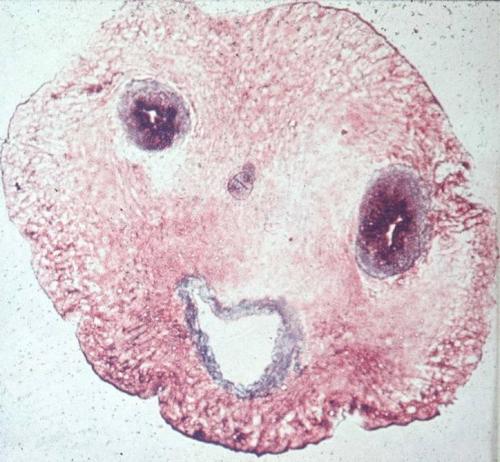
A six week embryonic age or eight week gestational age intact Embryo, found in a Ruptured Ectopic pregnancy case. Image: Vilas Gayakwad, Wikimedia
A Univ. of Adelaide study has identified the risk of major birth defects associated with different types of assisted reproductive technology.

In the most comprehensive study of its kind in the world, researchers from the Univ.’s Robinson Institute have compared the risk of major birth defects for each of the reproductive therapies commonly available internationally, such as: IVF (in vitro fertilization), ICSI (intracytoplasmic sperm injection) and ovulation induction. They also compared the risk of birth defects after fresh and frozen embryo transfer.

The results are being published in the prestigious New England Journal of Medicine, and presented in Barcelona, Spain at the World Congress on Building Consensus in Gynecology, Infertility and Perinatology.

"While assisted reproductive technologies are associated with an increased risk of major birth defects overall, we found significant differences in risk between available treatments," says the lead author of the study, Associate Prof. Michael Davies from the Univ. of Adelaide’s Robinson Institute and School of Paediatrics and Reproductive Health.

Researchers linked a census of more than 6100 assisted reproductive technology births in South Australia to a registry of more than 300,000 births and 18,000 birth defects. They compared risks of birth defects across all infertility treatments to pregnancies in women with no record of infertility. They also compared successive pregnancies for women.

Previous studies have identified an increased risk of birth defects associated with infertility treatment, but this is the first study to compare all forms of available treatment. This is also the first study to compare pregnancies within women by the treatments received.

"The unadjusted risk of any birth defect in pregnancies involving assisted conception was 8.3 percent (513 defects), compared with 5.8 percent for pregnancies not involving assisted conception (17,546 defects)," Davies says.

"The risk of birth defects for IVF was 7.2 percent (165 birth defects); and the rate for ICSI was higher at 9.9 percent (139 defects). A history of infertility, either with or without assisted conception, was also significantly associated with birth defects. While factors associated with the causes of infertility explained the excess risk associated with IVF, the increased risk for a number of other treatments could not readily be explained by patient factors. ICSI, for instance, had a 57 percent increase in the odds of major defect, although the absolute size of the risk remained relatively small," he says.

Davies says cryopreservation (freezing) of embryos was associated with a substantially reduced risk of birth defects, particularly for ICSI. "This may be due to developmentally compromised embryos failing to survive the freeze/thaw process," he says.

Also of concern was the tripling of risk in women using clomiphene citrate to stimulate ovulation outside of a closely supervised clinical setting.

"While confined to a small group in our study, this is of particular concern as clomiphene citrate is now very widely available at low cost, and may easily be used contrary to manufacturers' very specific instructions to avoid use if pregnant, as it may cause fetal malformations. This aspect of the study will need additional confirmation from future research," Davies says.

He says the study now needs to be expanded to include more recent years of treatment, as the reproductive technologies have undergone continual innovation which may influence the associated risks of treatment.

Source: Univ. of Adelaide

05.01.2012

Опиаты более страшны для людей с психическими проблемами

С праздничками, коллеги!
Вот вам свежая новость от капитана Очевидность.

Оказывается, люди с психическими расстройствами (биполярный психоз, депрессия и т.д.) более подвержены зависимости от опиатов. Полный текст на http://www.biologynews.net/archives/2011/12/13/opioid_abuse_linked_to_mood_and_anxiety_disorders_.html
Да вы что!1111111111111 Оо

20.12.2011

Допамин в свежих научных новостях

Я очень люблю допамин. Да и как можно его не любить, если именно это чудесное вещество отвечает за нашу мотивацию, удовольствие и другие приятности? В этом блоге достаточно много постов посвящены этому нейромедиатору, поэтому сейчас я хочу поделиться ссылкой на свежайшую статью из авторитетного источника, в которой раскрываются какие-то интересные и не известные до этого, сведения о допамине.

Сообщение на http://www.eurekalert.org/pub_releases/2011-12/osum-ans120111.php гласит, что допамин может быть крайне полезен при лечении опухолей. Оказывается, этот катехоламин способен увеличить эффективность действия противораковых препаратов и радиотерапии! Допамин улучшает приток крови к опухолям и таким образом повышает концентрацию действующих веществ именно в месте потребности, так же увеличивается уровень насыщения этих участков кислородом, что так же способствует борьбе с опухолью. Такие результаты были получены на животных моделях рака груди и кишечника.

30.11.2011

1 из 5 американцев сидит на психоактивных лекарствах

Оптимистичненько так. Называется, сделай сам - настроение? - а зачем, ведь есть таблетки, которые создадут любое настроение.
Вот такой интересный материал на http://blisstree.com/feel/1-in-5-americans-on-mental-health-drugs-overmedicating-817/ советую вам почитать для размышлений:

Almost half of all Americans take at least one prescription drug, and now a new report tells us that more than 20% of us take at least one medication to treat a mental health problem–a number that is up 22% since 2001. It’s an alarming trend for sure, and has us wondering: Are all of these drugs really necessary, or are Americans over-medicated?
Granted, mental health disorders are a serious illness which require serious treatment. According to the statistics released by Medco Health Solutions, more than a quarter of us suffer from mental health problems which have us taking antidepressants, antipsychotics, attention deficit hyperactivity disorder drugs or anti‐anxiety treatments every year. And women are far more likely to take a drug to treat a mental health condition than men with those over 45 showing the highest use.
And yet, the World Health Organization says this doesn’t necessarily mean that we are over-medicated.
So what does it mean? Are more Americans just getting diagnosed with depression, anxiety or other mental health disorders? Are these conditions becoming more prevalent? Or, are doctors simply taking the easy way out and prescribing more drugs than necessary without exploring other alternate treatments first for less severe cases?
In Charles Barber’s Comfortably Numb: How Psychiatry Is Medicating a Nation, the New York Times stated that he makes a case for Americans being “vastly overmedicated for often relatively minor mental health concerns”. There is also the theory to the sharp rise in mental health medications: We are asking for them. TheNY Times also suggested that we are a self-drugging society in many respects. We are often too quick to pop pills when something doesn’t feel quite right. Many of us use alcohol to numb feelings of stress, anxiety and depression. It was even suggested that some Americans are taking mental health medications for “ficticious concerns”. For that, we can point a finger to all of the marketing and advertising that the drug companies are doing (over $5 billion a year) that suggest we may have a problem (even though we thought we were fine until we saw their commercial telling us how depressed we are).
In a recent Blisstree post, I talked about the fact that some doctors think depression could actually be good for usbecause it forces us to face our issues and dissect exactly what is happening in our lives and in our head. Because of this, some doctors still think that other mental health treatments like talk therapy should be explored first because putting a pharmaceutical bandage over our depression or anxiety can often preclude us from uncovering our source of true happiness. Other experts have also suggested that a healthy diet, stress-reduction and even yoga can help bring us back to a positive mental state.
Tell us what you think. Are Americans too quick to take mental health medications?

17.07.2011

Женщины с поликистозом яичников более восприимчивы к бисфенолу А

Последние исследования указывают на зависимость между вредом, наносимым таким распространённым веществом как бисфенол А и наличием у женщин синдрома поликистоза яичников (очень популярного гинекологического заболевания). Статья с http://scienceblog.com/41751/women-with-polycystic-ovary-syndrome-may-be-more-vulnerable-to-bpa:


Chevy Chase, MD — A recent study accepted for publication in The EndocrineSociety’s Journal of Clinical Endocrinology & Metabolism(JCEM), found higher Bisphenol A (BPA) levels in women with polycystic ovary syndrome (PCOS) compared to controls. Furthermore, researchers found a statistically significant positive association between male sex hormones and BPA in these women suggesting a potential role of BPA in ovarian dysfunction.BPA is a very common industrial compound used in food and drink packaging, plastic consumer products and dental materials. PCOS is the most common endocrine disorder of women of reproductive age and is characterized by excessive secretion of androgens which are masculinization-promoting hormones. The syndrome raises the risk of obesity, type 2 diabetes, infertility and heart disease.“Our research shows that BPA may be more harmful to women with hormonal and fertility imbalances like those found in PCOS,” said Evanthia Diamanti-Kandarakis, MD, PhD, study co-author and professor at the University of Athens Medical School in Greece. “These women should be alert to the potential risks and take care of themselves by avoiding excessive every-day consumption of food or drink from plastic containers.”In this study, researchers divided 71 women with PCOS and 100 healthy female control subjects into subgroups matchedby age and body composition. Blood levels of BPA were nearly 60 percent higher in lean women with PCOS and more than 30 percent higher in obese women with the syndrome when compared to controls. Additionally, as BPAlevels increased, so did concentrations of the male sex hormone testosterone and androstenedione, a steroid hormone that converts to testosterone.
“Excessive secretion of androgens, as seen in PCOS, interfere with BPA detoxification by the liver, leading to accumulation of blood levels of BPA,” said Diamanti-Kandarakis. “BPA also affects androgen metabolism, creating a vicious circle between androgens and BPA.”Other researchers working on the study include: Eleni Kandaraki of Huddersfield Royal Infirmary Hospital in West Yorkshire, United Kingdom; Antonis Chatzigeorgiou, Sarantis Livadas, Eleni Palioura, Frangiscos Economou, Michael Koutsilieris and Sotiria Palimeri of National and Kapodistrian University of Athens in Greece; and Dimitrios Panidis of Aristotle University of Thessaloniki in Greece.The article, “Endocrine disruptors and polycystic ovary syndrome (PCOS): Elevated serum levels of Bisphenol A in women with PCOS,” appears in the March 2011 issue ofJCEM.Founded in 1916, The Endocrine Society is the world’s oldest, largest and most active organization devoted to research on hormones and the clinical practice of endocrinology. Today, The Endocrine Society’s membership consists of over 14,000 scientists, physicians, educators,nurses and students in more than 100 countries. Society members represent all basic, applied and clinical interests in endocrinology. The Endocrine Society is based in Chevy Chase, Maryland. To learn more about the Society and the field of endocrinology, visit our site at www.endo-society.org.

16.06.2011

Хроническое употребление кетамина разрушает клетки мочевого пузыря

Chronic ketamine use kills bladder cells - health - 15 June 2011 - New Scientist - статейка о новом исследовании о вреде кетамина, который раньше массово использовали для наркоза, а совсем недавно предлагали использовать как антидепрессант даже для лечения детей (в минимальных дозах). Внезапно оказалось, что это вещество способно необратимо изменять состояние клеток мочевого пузыря.

27.05.2011

Антидепрессанты и диабет

Привычные антидепрессанты в некоторых комбинациях приводят к развитию диабета! Читаем подробнее на:
Common drug combo increases diabetes risk - health - 26 May 2011 - New Scientist

03.05.2011

Кое-что новое о парацетамоле

Ацетаминофен, он же - парацетамол, при передозировке может приводить к разным последствиям. Этот, казалось бы безопасный и популярный препарат может способствовать развитию заболеваний печени.

Acetaminophen Overdose May Be Painkiller Confusion

27.04.2011

Передозировки лекарствами

Оказывается, в США существует проблема, выходящая на уровень эпидемии.
Подробнее об этом в статье: Narcotic pain relief drug overdose deaths a national epidemic  

28.01.2011

Антипсихотики в США

PRESCRIPTIONS for antipsychotic drugs have more than doubled in the US over the past 15 years, often given for conditions for which there is scant evidence they work.

Expensive antipsychotics were originally approved to treat schizophrenia. They are now also prescribed for conditions including anxiety disorders and dementia, even though the Food and Drug Administration has not approved these off-label uses. The side effects of such drugs can include diabetes, weight gain and an increased risk of heart disease.

Caleb Alexander at the University of Chicago and colleagues analysed the results of a survey of visits to doctors between 1995 and 2008. In the sample population, the prescriptions of antipsychotics went from 6.2 million in 1995 to 16.7 million in 2006 and fell to 14.3 million in 2008. Off-label prescriptions also doubled during this time (Pharmacoepidemiology and Drug Safety, DOI: 10.1002/pds.2082).

Alexander points to ways to combat the trend, such as reducing heavy drug marketing and raising awareness of off-label prescribing.
http://www.newscientist.com/article/mg20927952.500-antipsychotic-drug-prescriptions-triple-in-the-us.html?DCMP=OTC-rss&nsref=online-news 

25.12.2010

Эхинацея и гинкго - почти плацебо?

Об эхинацеи читаем на http://blisstree.com/feel/echinacea-doesnt-cure-colds/ :
Trying to cure your pre-Christmas cold with all-natural Echinacea? A new study suggests that the so-called wonder herb, that’s been purported to prevent colds, may not be a miracle worker after all. It seems the herb, which is a wild flower found in the Midwestern plains, doesn’t have much impact on the duration or strength of colds.
The study followed more than 700 cold sufferers, and found that people who took Echinacea saw around a 10% reduction in the duration of their cold. That ends up being about seven to ten fewer hours, which is not, according to lead researcher Bruce Barrett, considered a medically significant decrease.
But Barrett advised that people who’ve experienced Echinacea’s healing properties should continue taking it, since the study isn’t absolutely conclusive. Besides, if you think it’s helping, than there’s no harm in trying, right?

О гинкго - на http://www.science20.com/news_articles/ginkgo_biloba_has_no_impact_cognitive_decline:
Ginkgo biloba, popularly consumed for its supposedly positive effect on memory, has no such effect, according to new research published in the December 23/30 issue of JAMA.  In the study, older adults who used the herbal supplement  for several years did not have a slower rate of cognitive decline compared to adults who received placebo .

"Ginkgo biloba is marketed widely and used with the hope of improving, preventing, or delaying cognitive impairment associated with aging and neurodegenerative disorders such as Alzheimer disease," the authors write. "Indeed, in the United States and particularly in Europe, G biloba is perhaps the most widely used herbal treatment consumed specifically to prevent age-related cognitive decline." However, evidence from large clinical trials regarding its effect on long-term cognitive functioning is lacking.

Beth E. Snitz, Ph.D., of the University of Pittsburgh, and colleagues analyzed outcomes from the Ginkgo Evaluation of Memory (GEM) study to determine if G biloba slowed the rate of cognitive decline in older adults who had normal cognition or mild cognitive impairment (MCI) at the beginning of the study.

The GEM study previously found that G biloba was not effective in reducing the incidence of Alzheimer dementia or dementia overall. The randomized, double-blind, placebo-controlled clinical trial included 3,069 community-dwelling participants, ages 72 to 96 years, who received a twice-daily dose of 120-mg extract of G biloba (n = 1,545) or identical-appearing placebo (n = 1,524). The study was conducted at six academic medical centers in the United States between 2000 and 2008, with a median (midpoint) follow-up of 6.1 years. Change in cognition was assessed by various tests and measures.

In this study, the largest randomized controlled trial of G biloba to report on outcomes to date, the researchers found no evidence for an effect of G biloba on global cognitive change and no evidence of effect on specific cognitive domains of memory, language, attention, visuospatial abilities and executive functions. They also found no evidence for differences in treatment effects by age, sex, race, education or baseline cognitive status (MCI vs. normal cognition).

"In sum, we find no evidence that G biloba slows the rate of cognitive decline in older adults. These findings are consistent with previous smaller studies examining prevention of decline and facilitation of cognitive performance and with the 2009 Cochrane review of G biloba for dementia and cognitive impairment."

Citation: Beth E. Snitz, Ellen S., Michelle C. Carlson, Alice M. Arnold, Diane G. Ives, Stephen R. Rapp, Judith Saxton, Oscar L. Lopez, Leslie O. Dunn, Kaycee M. Sink, Steven T. DeKosky, 'Ginkgo biloba for Preventing Cognitive Decline in Older Adults', JAMA, 2009, 302(24), 2663-2670

26.07.2010

Экстази как лекарство

Два хороших поста о клинических испытаниях использования МДМА в качестве лекарства при посттравматическом синдроме. Очень совеитую почитать:

The media coverage of the MDMA Clinical trial result stinks

MDMA for PTSD: The first peer-reviewed clinical trial report

21.07.2010

Когнитивные стимуляторы

Обожаю эту девочку. У неё самые весёлые посты о самых интересных веществах. Очередная классная статья - http://scienceblogs.com/neurotopia/2010/07/prozac_ritalin_cognitive_enhan.php. О "улучшителях умственных способностей". Особое внимание уделено Прозаку и Риталину.

10.01.2010

Ещё о дозировании витаминов

Интересная статья на http://www.scienceblog.com/cms/putting-limits-vitamin-e-28815.html:
Vitamin-fortified foods and dietary health supplements can ease health worries. But what kinds of vitamins are right for you? And how much of them should you take, and how often?
A research group from Tel Aviv University has done the most comprehensive and accurate study of clinical data on Vitamin E use and heart disease to date, and it warns that indiscriminate use of high-dose Vitamin E supplementation does more harm than good. Their results were recently reported in ATVB, a leading journal of cardiology, and discussed in the journal BioFactors.
"There were so many conflicting reports about Vitamin E and its effect on various diseases, particularly heart disease, that we wanted to set the record straight," says Prof. Dov Lichtenberg of TAU's Sackler School of Medicine.
"Our new study shows that some people may be harmed by the treatment, whereas others may benefit from it. Now we're trying to identify groups of people that are most likely to benefit from the effects of Vitamin E," adds study co-researcher Dr. Ilya Pinchuk. The TAU research team also included decision analyst Dr. Moshe Leshno of the Sackler Faculty of Medicine and the Leon Recanati Faculty of Management and Dr. Yedidya (Didi) Dotan, whose PhD thesis is the basis for this analysis.
A longer life without it?
Applying a very different approach than any previous study, the team of researchers put their heads together to draw definitive conclusions about Vitamin E. In their publication in ATVB the Tel Aviv University researchers evaluated the results of the prominent studies measuring the health benefits of Vitamin E but reached varying conclusions. There have been many previous publications on the subject. Analysis of the results of all these past publications together revealed that subjects who did not take a Vitamin E supplement enjoyed more quality-adjusted-life-years (QALY), a standard parameter used in medicine to assess the effect of medical interventions.
"To explain the meaning of this parameter," says Dr. Pinchuk, "consider a participant who was healthy during the first 10 out of 20 years of the study, but then suffered a stroke and became dependent on others throughout the following 10 years. The QALY during the first 10 years of healthy life is 10, but after the stroke the quality of life is only half of what this person had before. Therefore, the second decade is considered the equivalent of merely 5 years of healthy life and in sum a person's QALY is 15.
The researchers examined data from more than 300,000 subjects in the US, Europe and Israel. "Our major finding," says Dr. Pinchuk, "was that the average quality-adjusted life years (QALY) of Vitamin E- supplemented individuals was 0.30 less than that of untreated people. This, of course, does not mean that everybody consuming Vitamin E shortens their life by almost 4 months. But on average, the quality-adjusted longevity is lower for vitamin-treated people. This says something significant."
Overturning earlier studies
In the BioFactors article, the TAU researchers defined "the real challenge as being able to identify who is likely to benefit taking Vitamin E." They also explored the first hypothesis of the oxidative theory of atherosclerosis published more than 20 years ago, which was the basis for the widespread use of antioxidants today. At first, this hypothesis raised great enthusiasm that anti-oxidants like Vitamins E and C and flavonoids could be used to prevent disease or its progression. In this respect, the new findings are very disappointing.
"We've now concluded that going to the grocery or to a health food store to buy Vitamin E supplements, for the most part, won't do you good. In some cases it can do harm," says Dr. Pinchuk. "A doctor wouldn't prescribe anti-hypertension drugs to the whole population, only to those with low blood pressure. It seems this is true for antioxidants, too. When you give them to everybody, you may be doing more harm than good. Some people may benefit from it, but more may be harmed."
The researchers are now building sets of criteria that detail under what conditions Vitamin E supplements should be taken. They are also investigating the chemical mechanisms of antioxidants in general to better understand how they work.
American Friends of Tel Aviv University (www.aftau.org) supports Israel's leading and most comprehensive center of higher learning. In independent rankings, TAU's innovations and discoveries are cited more often by the global scientific community than all but 20 other universities worldwide.
Internationally recognized for the scope and groundbreaking nature of its research programs, Tel Aviv University consistently produces work with profound implications for the future.

Elleven%20Project